Japan for Americans: Complete Travel & Living Guide 2026
Visa, budget, best time to visit, practical tips for US citizens traveling to Japan.
Before departure
- Get travel insurance (US health insurance rarely covers Japan)
- Order eSIM for Japan
- Purchase JR Pass if visiting multiple cities
- Book flights early (direct: LAX, SFO, JFK, ORD)
- Get Japanese yen (¥30K–50K cash recommended)
- Download: Google Translate, Suica, Tabelog
- Install VPN for US streaming abroad
During stay
- Get Suica/PASMO IC card at airport
- Activate eSIM on arrival
documents
- Check US passport validity (6+ months recommended)
- Complete Visit Japan Web registration
Traveling to Japan as an American citizen in 2026
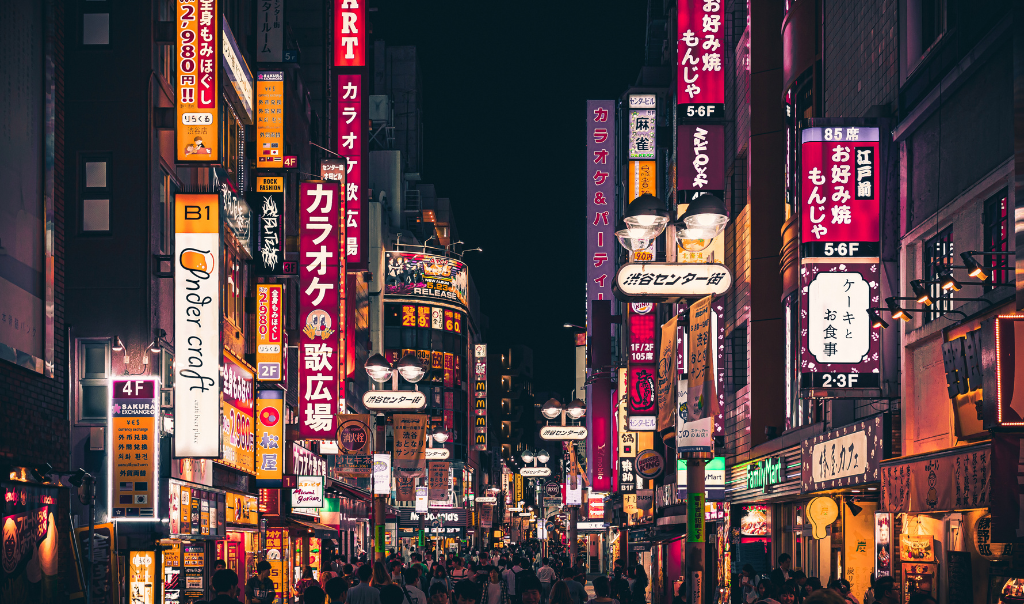
Japan is the #1 international destination for American travelers in Asia, and for good reason. From the neon-lit streets of Tokyo to ancient temples in Kyoto, snow-capped peaks in Hokkaido to tropical beaches in Okinawa, Japan offers an incredible range of experiences.
Great news for Americans: US citizens enjoy visa-free entry for up to 90 days. No advance application needed – just show up with a valid passport. The strong USD gives you excellent purchasing power with the current exchange rate (~¥150 per dollar).
Practical bonus: Japan uses the same Type A/B electrical outlets as the US, so you won't need adapters (just note the voltage is 100V vs 120V – most modern electronics handle this fine).
This guide covers everything specific to American travelers: visa details, realistic budgets in USD, seasonal recommendations, and practical tips.
Japan visa for US citizens
- Valid US passport (6 months recommended)
- Return or onward ticket
- Proof of accommodation
- Sufficient funds for stay
- Complete Visit Japan Web before departure
Japan visa for Americans
US citizens enjoy visa-free entry for 90 days for tourism, business meetings, or visiting friends/family. No advance application is needed – your visa waiver is stamped on arrival at immigration.
Required documents on arrival:
- Valid US passport (recommended 6+ months validity)
- Completed Visit Japan Web form (QR code for customs/immigration)
- Return or onward ticket
Extension: You can request a 90-day extension at immigration for a total of 180 days (not guaranteed). For longer stays, consider the Digital Nomad Visa (6 months, requires ¥10M income).
ESTA not needed: Unlike travel to the US, Japan does not require any electronic travel authorization for Americans.
Practical tips for American travelers
Before Your Trip
- Check passport validity (6 months recommended)
- Complete Visit Japan Web registration
- Book flights: direct from LAX, SFO, JFK, ORD, SEA, HNL
- Get travel insurance (US health insurance rarely covers Japan)
- Order eSIM or pocket WiFi
- Purchase JR Pass if traveling multiple cities
- Download apps: Google Translate, Suica, Tabelog, Navitime
On Arrival
- Complete immigration card (or use Visit Japan Web QR)
- Get Suica/PASMO IC card at airport station
- Activate eSIM or pick up pocket WiFi
- Exchange some USD for yen (¥30,000–50,000 cash recommended)
- Take Narita Express or Limousine Bus to hotel
During Your Stay
- Carry cash – Japan is still heavily cash-based
- Remove shoes when entering homes, temples, ryokan
- Tip nothing – tipping is not customary and can be offensive
- Be quiet on trains – no phone calls, low voices
- Use konbini (7-Eleven, FamilyMart) for ATMs accepting US cards
Japan is one of the easiest countries for Americans to visit. No visa application needed, same electrical plugs, and excellent infrastructure. The main adjustment is the cash culture – while card acceptance is growing, carry yen for smaller establishments.
Japan travel budget for Americans
- Capsule hotel / hostel ($25–40)
- Konbini meals & ramen ($20–30)
- Metro / JR Pass ($15–25)
- Free temples & parks
- Business hotel / ryokan ($70–120)
- Mix of restaurants ($40–60)
- Transport + attractions ($30–40)
- Souvenirs & activities ($20)
- Luxury ryokan / 4-star hotel ($150+)
- Sushi omakase & fine dining ($80+)
- Private tours & shinkansen ($50+)
- Premium experiences ($50+)
$1 ≈ ¥150
Travel budget for Japan includes flights, accommodation, meals and activities. Adjust based on your travel style.
When to visit Japan
Each season offers unique experiences. Spring and autumn are peak – book 3+ months ahead.
Best time for Americans to visit Japan
Spring (March–May) is the most popular season thanks to cherry blossoms. Book flights early – direct flights from LAX, SFO, JFK, and ORD fill up fast. Expect $1,000–1,500 round trip during peak sakura season.
Autumn (September–November) offers spectacular fall foliage with fewer crowds than spring. Temperatures are comfortable and rainfall is lower.
Pro tip for Americans: Consider visiting during US holidays when you have time off (Thanksgiving week, spring break) – these don't coincide with Japanese peak seasons, so you'll find better hotel rates.
Avoid: Golden Week (late April–early May) and Obon (mid-August) when domestic travel peaks and everything is booked and expensive.
Internet & connectivity in Japan
Staying connected in Japan
Japan has excellent 4G/5G coverage. For Americans, the easiest options are:
- eSIM: Ubigi, Airalo, or Mobal – activate before departure. Plans from $10/3GB.
- Pocket WiFi: Rent at airport ($3–5/day). Good for families/groups.
- T-Mobile/AT&T international: Check your US plan – some include Japan roaming, but speeds may be throttled.
Free WiFi is available at all konbini, train stations, and many restaurants. Quality varies – an eSIM is the most reliable option.
Average speed: 200 Mbps
No. US citizens can enter Japan visa-free for up to 90 days for tourism. Just bring a valid passport and complete Visit Japan Web before departure.
Budget travelers: $2,000–2,500 (excluding flights). Comfortable: $3,500–5,000. Premium: $6,000+. Flights from the US: $800–1,500 round trip depending on season and departure city.
Not essential for tourism. Major cities have English signage and announcements. Google Translate works well for restaurants and signs. Learning basic phrases (arigatou, sumimasen) is appreciated.
Extremely safe. Japan has one of the lowest crime rates in the world. Solo female travel is very safe. The biggest risks are natural disasters (earthquakes, typhoons) – download the Safety Tips app by NHK.
Visa and Mastercard are widely accepted at hotels and major stores, but many restaurants and small shops are cash-only. 7-Eleven and Japan Post ATMs accept US debit/credit cards. Carry ¥30,000–50,000 in cash.
Type A (two flat prongs) – same as the US! No adapter needed. Note: voltage is 100V vs 120V in the US, but modern electronics (phones, laptops) handle this automatically.