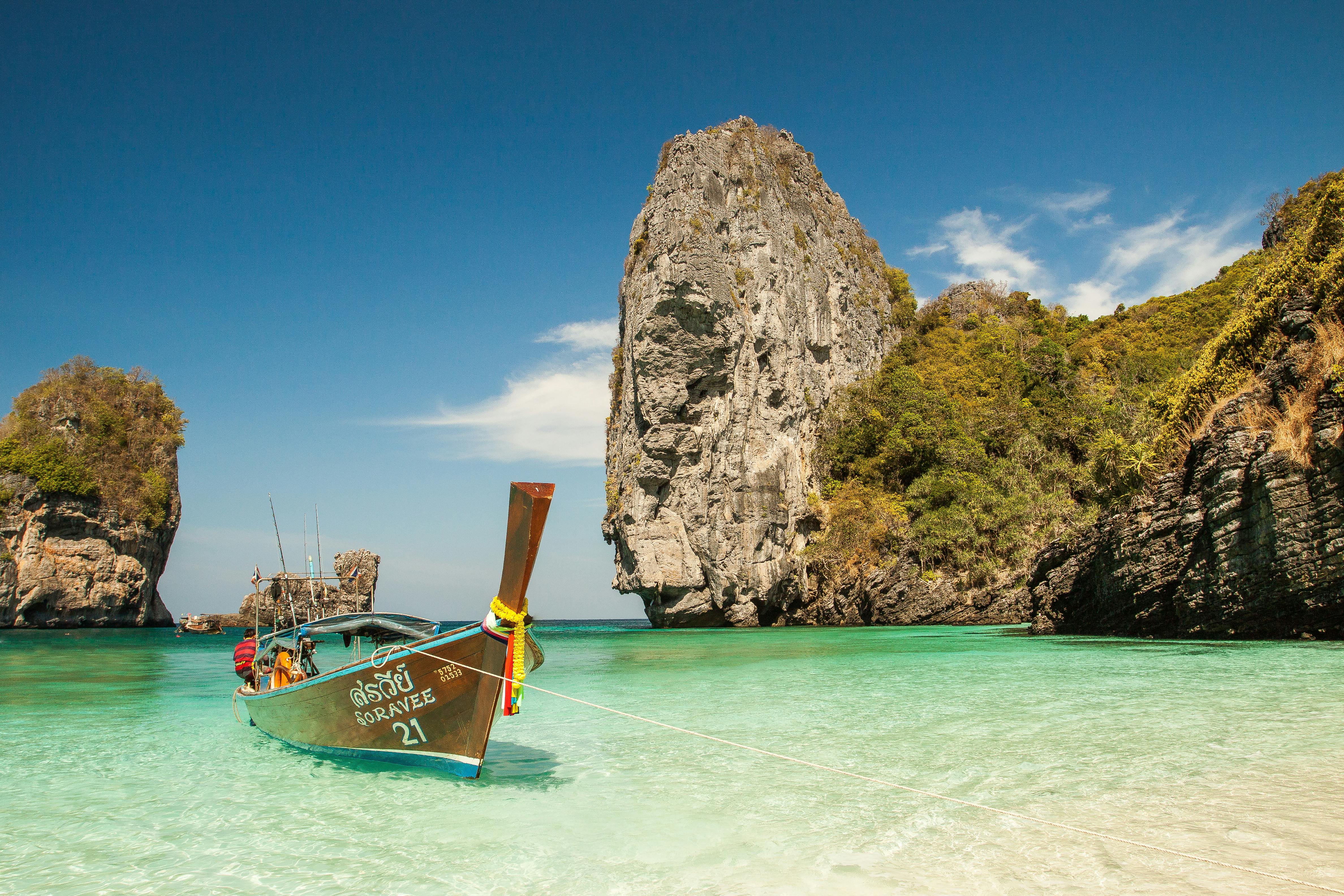

Digital Nomad in Thailand: Guide for Australians
Just 9 hours from Sydney, Thailand offers the best value nomad lifestyle with the DTV visa.
before
- Content to be written in back office (nationality + language)
Thailand is the closest major nomad hub for Australians—just a 9-hour flight from Sydney. The DTV offers 180-day stays, costs are 60-70% below Australia, and the timezone overlap with AEST is better than most Asian destinations (+4h). This guide covers DTV requirements, ATO obligations, and daily life for Aussie nomads in 2026.
Visa & requirements
- Australian passport 6+ months
- 500,000 THB (~$23,000 AUD) in bank
- Remote work contract
- Health insurance
The DTV costs ~$450 AUD with 180-day stays. Australians also get 60-day visa-free entry. Max 2 visa-exempt entries per year since Nov 2025. ATO considers you an Australian tax resident unless you formally establish non-residency.
Digital Nomad budget
- Chiang Mai studio
- Street food
- Coworking
- Scooter
- Condo with pool
- Mixed dining
- Premium coworking
- Domestic flights
Cost of living breakdown for nomads
Thailand is extremely affordable for Australian nomads. Chiang Mai: apartment $300–600/month, local meal $1.50–3, coworking $80–150/month. Bangkok 30–50% more. The AUD/THB rate makes everything very cheap compared to Australian prices.
Coworking & workspaces
Best coworking spaces
Chiang Mai: Punspace, CAMP, Yellow. Bangkok: Hubba, The Hive. Koh Lanta: KoHub. Prices: 150–400 THB/day (AUD 7–18). Much cheaper than Australian coworkings.
Internet & connectivity
Internet in Thailand
Fiber 100–300 Mbps for $15–30/month. 4G/5G covers 95% of Thailand. Local SIMs: unlimited data $10–20/month. Much cheaper than Australian internet. Chiang Mai and Bangkok are best for reliable remote work.
Average speed: 150 Mbps
Taxation & obligations
Australia taxes worldwide income of residents. The ATO uses multiple factors to determine residency, not just the 183-day rule. The Australia-Thailand DTA applies. If you maintain an Australian domicile, you may remain a tax resident even while abroad. Medicare levy surcharge applies unless you have appropriate overseas cover.
Steps to settle in Thailand
Before departure
- Check passport validity (6 months min)
- Apply for DTV visa online (10,000 THB)
- Get travel insurance (Medicare does NOT cover Thailand)
- Open Wise account for THB transfers
- Book initial accommodation
On arrival
- Complete TDAC form
- Buy local SIM (AIS, True, DTAC)
- Open local bank account
- Join coworking space
- Connect with Australian expat groups
Admin
- Visa extension: 1,900 THB/30 days
- 90-day report (TM47)
- Register with Australian Embassy
- Australian tax: declare worldwide income to ATO
Advantages & challenges
Advantages
- 60-70% lower costs
- DTV (5 years, $450 AUD)
- Only 9h flight from Sydney
- Better timezone overlap than Europe
- Fast internet
- Massive nomad scene
Challenges
- Heat
- Language barrier
- No Thai bank with DTV
- ATO residency rules complex
- Air pollution Dec-Mar
Depends on ATO residency determination. Maintaining a lease or family in Australia likely keeps you resident.
$1,200–$1,800 budget, $2,300–$3,800 comfort.