

Portugal for British travellers: complete guide 2026
Passport required, 90-day Schengen limit, 2.5 hours from London: everything you need to know to plan your trip to Portugal from the UK.
documents
- Check your UK passport is valid for the full duration of your stay
- Apply for or renew your GHIC card (limited NHS-equivalent cover in Portugal)
- Take out comprehensive travel insurance including medical cover and repatriation (GHIC is not enough on its own)
transport
- Book flights from London (LHR, LGW, STN, LTN), Manchester, Bristol or Edinburgh
accommodation
- Book accommodation (1-3 months ahead for peak Algarve season)
connectivity
- Check your mobile plan's roaming charges for Portugal (not free post-Brexit)
- Order a Portugal eSIM to avoid roaming charges
finances
- Notify your bank of travel to avoid blocked card transactions
equipment
- Pack a Type F plug adaptor (UK plugs do not fit Portuguese sockets)
apps
- Download Google Maps offline (useful in rural Alentejo and Douro)
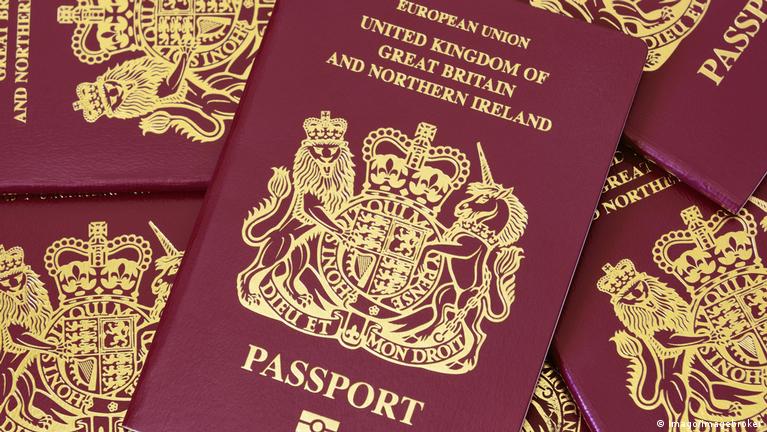
Portugal has long been one of the most popular destinations for British holidaymakers, and it remains so despite Brexit. The Algarve alone welcomes hundreds of thousands of UK visitors every year, and for good reason: reliable sunshine, outstanding food, affordable prices by British standards, and some of the friendliest locals in Europe.
That said, travelling to Portugal from the UK has changed meaningfully since 2021. Your passport is now mandatory : ID cards are no longer accepted. The 90-day Schengen rule applies, capping tourist stays at 90 days in any 180-day period. Your GHIC card provides only limited coverage, not the full protection many assume. And roaming charges are back, since UK operators are no longer bound by EU regulations.
This 2026 guide covers everything British travellers need to know: entry requirements post-Brexit, travel insurance, realistic costs in pounds, flights from London and beyond, and practical advice for both short holidays and longer stays. All information is verified and specific to UK passport holders.
Portugal entry requirements for British travellers: what changed after Brexit
- Valid UK passport (ID cards no longer accepted post-Brexit)
- Passport valid for the full duration of your stay
- Proof of return or onward travel may be requested
- Proof of sufficient funds may be requested at border
- For stays over 90 days: long-stay visa required before departure
Portugal remains visa-free for British citizens, but the rules have changed significantly since the UK left the European Union on 1 January 2021. Understanding these changes before you travel will save you from potential problems at the border.
Your passport is now mandatory
This is the most important change. British citizens can no longer use a national ID card to enter Portugal or any other Schengen country. You must travel with a valid UK passport. Make sure it is valid for the entire duration of your stay: Portuguese border officials may refuse entry if your passport expires during your trip. While the old "valid for 6 months beyond travel" rule technically no longer applies between the UK and the EU, having several months of validity remaining is always advisable.
The 90-day Schengen rule
As a non-EU citizen, British travellers are now subject to the 90-day rule: you can spend a maximum of 90 days in the Schengen Area within any rolling 180-day period. Portugal counts as part of this total, alongside France, Spain, Germany and the other 24 Schengen countries. If you spend 45 days in Spain and then fly to Portugal, you only have 45 Schengen days remaining. Keep track of your days carefully if you travel frequently within Europe.
Longer stays: your options as a British citizen
If you wish to stay beyond 90 days, you will need a long-stay visa before you leave the UK. The most relevant options are the D7 Passive Income Visa (for retirees or those with passive income), the D8 Digital Nomad Visa (for remote workers, requiring a minimum monthly income of €3,480) and the D2 Entrepreneur Visa. Apply through the Portuguese consulate in London before departure.
For stays longer than a year, a residence permit issued by AIMA (the Portuguese immigration authority) is required. Contact the Portuguese consulate in London for the most up-to-date guidance, as processing times and requirements change regularly.
ETA: European Travel Information and Authorisation System
The EU's ETIAS system a pre-travel authorisation for non-EU visitors is expected to launch in 2026. British travellers will need to register online and pay a small fee (around €7) before travelling to the Schengen Area. Check the latest status before booking, as the launch date has been delayed several times.
Essential practical advice for British travellers to Portugal
Before you leave
- Valid UK passport required : ID cards no longer accepted post-Brexit
- Check your GHIC card is valid and apply for one free at nhs.uk if you do not have one
- Take out comprehensive travel insurance: GHIC covers only emergency state healthcare, not private clinics, repatriation or cancelled flights
- No vaccinations required for Portugal : Hepatitis A recommended for rural areas
- Pack a Type G to Type F plug adaptor : UK three-pin plugs do not fit Portuguese sockets
At the border
- Present your UK passport at border control — Portugal is Schengen but UK travellers go through passport checks
- Border officials may ask for proof of return travel and sufficient funds
- Note your entry date: your 90-day Schengen clock starts here
- Activate your eSIM or roaming plan on arrival
During your stay
- Keep your passport with you : it is your primary ID document in Portugal
- In a medical emergency: call 112 or go to the nearest SNS health centre with your GHIC card
- Keep all medical receipts for insurance reimbursement
- Do not exceed 90 days in the Schengen Area without a valid long-stay visa
- For longer stays: obtain a NIF (Portuguese tax number) at the Finanças office and contact AIMA for residency
Travelling to Portugal from the UK is straightforward, but there are several post-Brexit practicalities that catch British travellers out every year. Getting these right before you leave takes less than an hour and could save you significant stress or expense.
Your GHIC card: useful but not sufficient
The Global Health Insurance Card (GHIC) replaced the old EHIC card for British travellers after Brexit. It gives you access to emergency state healthcare in Portugal through the SNS (Serviço Nacional de Saúde) at the same cost as a Portuguese resident which is often free or very low. However, the GHIC does not cover private medical treatment, which is where most hospitals in tourist areas operate. It also does not cover medical repatriation back to the UK, trip cancellation or lost luggage. Comprehensive travel insurance is essential, not optional. The GHIC should be seen as a useful supplement, not a replacement for a proper insurance policy.
Plug adaptors: easily forgotten
The UK uses Type G plugs (the large three-pin rectangular type). Portugal uses Type F plugs (the round two-pin European type). Your British phone charger, laptop cable and hairdryer will not plug in without an adaptor. Pick one up at any airport, Boots or Argos before you travel.
Keeping track of your 90 days
If you visit Portugal regularly or combine it with holidays in France, Spain or other Schengen countries the 90-day rule requires active management. The Schengen clock counts every day you spend in any Schengen country, not just Portugal. There are free online calculators that help you track your remaining days. Overstaying can result in fines, a ban from the Schengen Area or difficulties renewing a Portuguese visa in future.
If you are planning a longer stay
British citizens wanting to live or work in Portugal long-term must apply for a visa before leaving the UK. The Portuguese consulate in London handles all long-stay visa applications. Allow at least 8-12 weeks for processing. Once in Portugal on a long-stay visa, contact AIMA (the immigration authority) to convert it into a residence permit.
How much does a trip to portugal cost from the UK in 2026?
- Hostel dorm (£13-22/night)
- Local tascas and cafés (£5-9 per meal)
- Metro and bus (around £1.50 per journey in Lisbon)
- Free viewpoints, beaches and national museums
- 3-star hotel or self-catering apartment (£47-82/night)
- Local restaurants and seafood (£12-19 per meal)
- Public transport plus car hire for day trips
- Paid attractions, wine tastings and day trips (Sintra, Douro, Algarve)
- Boutique hotel, quinta or pousada (£110-240/night)
- Fine dining and wine-pairing menus (£38-80 per meal)
- Private car hire or transfers
- Exclusive experiences: Douro river cruises, surf schools, thermal spas
Portugal offers outstanding value for British travellers. With the pound typically buying around 1.17-1.20 euros, your money goes noticeably further than in the UK : and considerably further than in France or Italy. Even Lisbon, which has seen significant price rises since 2022, remains cheaper than London on almost every measure.
Flights from the UK
British travellers are well served for direct flights to Portugal. From London, you have the widest choice: TAP, Ryanair, easyJet and British Airways fly direct to Lisbon from Heathrow (LHR), Gatwick (LGW), Stansted (STN) and Luton (LTN). Porto and Faro (Algarve) are served from Gatwick, Stansted and Luton. From Manchester, direct flights to Lisbon, Porto and Faro operate year-round with Ryanair and easyJet. Bristol, Birmingham, Edinburgh and Leeds Bradford also offer seasonal direct routes, particularly to Faro in summer. Expect to pay £60-180 return in low season from London or Manchester, rising to £150-350 in July and August. Book 6-10 weeks ahead for the best fares.
Accommodation
Lisbon and Porto have seen hotel prices climb steadily: budget £60-95 per night for a decent 3-star in a central location. The Algarve peaks sharply in July and August : the same apartment can cost three times more than in May. Rural Alentejo quintas offer excellent value year-round and provide a genuinely different experience from beach resorts.
Getting Around
Public transport is excellent and very affordable in Lisbon and Porto by UK standards: a 24-hour transport pass in Lisbon costs around £4.50. For exploring the Algarve, Alentejo or Douro Valley, car hire is essentially essential : expect £25-55 per day. Inter-city trains are good value (Lisbon to Porto: around £21 in 3 hours).
Food and Drink
This is where Portugal genuinely surprises British visitors. A full sit-down lunch in a neighbourhood tasca soup, main course, bread, wine and coffee costs £7-11. A pastel de nata from the local bakery is just over £1. A cold beer on a sunny terrace costs £2-3. For comparison: a similar lunch would cost £18-25 in London. Portugal's Michelin-starred restaurants are also remarkably affordable by UK standards, with several offering lunch menus under £35.
Currency and Payment
Portugal uses the euro. Your UK debit or credit card will work everywhere, but most UK banks charge a foreign transaction fee of 2-3% per purchase. Cards like Starling, Monzo or Chase have no foreign transaction fees and are widely used by British travellers in Portugal for this reason.
When to visit Portugal from the UK ?
Every season has its strengths. Here is how to choose the right time for your trip.
Portugal is one of the few European destinations that genuinely works in every season. The Atlantic climate keeps winters mild and summers bearable at least on the coast and the variety of landscapes means there is always something to suit different travel styles and budgets.
Spring (March-May): the Insiders' choice
Spring is consistently the season that experienced Portugal travellers recommend most. The countryside is lush and green, wildflowers cover the hillsides, and the jacaranda trees turn Lisbon's avenues a vivid purple by May. Temperatures are ideal (18-24°C), the beaches are uncrowded, and hotel prices are well below summer peaks. April 25th is Portugal's Freedom Day national holiday a lively time to be in Lisbon. For British travellers used to grey springs, this is a particularly compelling reason to book.
Summer (June-August): busy but beautiful
Summer is peak season, and for good reason: the Algarve delivers reliably hot, sunny days, the sea is warm, and the atmosphere is electric. NOS Alive, one of Europe's best music festivals, takes place in Lisbon in July. The trade-off is significant: prices surge, popular spots are extremely crowded, and temperatures inland (Alentejo: 40°C in July) can be punishing. Lisbon and Porto remain pleasant thanks to the Atlantic breeze.
Autumn (September-October): the smart choice
September is arguably the sweet spot. The sea temperature reaches its annual peak (22-24°C off the Algarve), crowds thin out rapidly after mid-August, and prices fall back to reasonable levels. October brings the grape harvest in the Douro Valley the landscape of terraced vineyards in autumn colour is extraordinary.
Winter (November-February): for those in the know
Portugal's winter is a revelation for British travellers: mild temperatures (12-16°C in Lisbon and the Algarve), frequent sunshine, and almost no tourists. Nazaré and Peniche host some of the world's biggest surfable waves from October to March. Prices are at their lowest and the cities feel authentically local rather than tourist-dominated. A midwinter long weekend in Lisbon is one of the best-value city breaks from the UK.
Staying connected in Portugal: what British travellers need to know
Portugal has excellent mobile infrastructure, with 4G covering virtually all inhabited areas and 5G rolling out rapidly across major cities. Average 4G speeds exceed 40 Mbps : more than adequate for remote working, video calls and streaming.
Roaming from the UK: No Longer Free
This is the connectivity change that catches the most British travellers off guard. Since the UK left the EU in 2021, UK mobile operators are no longer required to offer free EU roaming. Most major operators EE, O2, Vodafone and Three have reintroduced roaming charges for European travel, though the policies vary significantly. Some offer daily add-ons (typically £2-5 per day), others include a monthly roaming allowance. Check your specific plan before travelling: roaming surprises have become one of the most common complaints from British travellers in Portugal.
eSIM: The Recommended Solution for UK Travellers
Given the variable and often expensive roaming situation, a Portuguese eSIM is the cleanest solution for most British visitors. You activate it via a QR code before you leave, it works the moment you land, and data costs are a fraction of UK roaming rates. Plans start at around £7-10 for 10GB valid for 30 days. Your UK number still receives calls and texts through your regular SIM the eSIM handles data only.
WiFi
Free WiFi is widely available in Portugal: hotels, cafés, restaurants, Alfa Pendular trains, airports and museums all offer it reliably. In Lisbon and Porto city centres, you are rarely without WiFi access. For rural areas (Alentejo, inland Douro), a mobile data connection is advisable.
VPN
There is no internet censorship in Portugal. A VPN is useful primarily if you want to access UK streaming services BBC iPlayer, ITVX, Channel 4 while abroad, as these are geo-restricted to UK IP addresses.
Average speed: 100 Mbps
No visa is required for tourist stays up to 90 days. Portugal is part of the Schengen Area and the UK has a visa-free agreement. However, your UK passport is mandatory ID cards are no longer accepted since Brexit. Note that the EU's ETIAS pre-travel authorisation system is expected to launch in 2026, which will require a small online registration fee.
No. Since 1 October 2021, British citizens can no longer use a national identity card to enter EU or Schengen countries including Portugal. A valid UK passport is required for all travel to Portugal.
Since Brexit, British citizens are treated as non-EU visitors and are subject to the Schengen 90-day rule: you can spend a maximum of 90 days in the Schengen Area within any rolling 180-day period. This total counts all Schengen countries combined, not just Portugal. Overstaying can result in fines or an entry ban.
Partially. The GHIC (Global Health Insurance Card) gives you access to emergency state healthcare in Portugal through the SNS at local rates, which is often free or low-cost. It does not cover private hospitals (where most tourist-area facilities operate), medical repatriation to the UK, or non-emergency treatment. Comprehensive travel insurance is essential alongside your GHIC.
Expect to spend between £700 and £1,500 for a week including flights from London or Manchester. Without flights, a mid-range week in Lisbon or the Algarve costs £500-800 depending on the season. Portugal remains significantly cheaper than equivalent destinations in France, Italy or Greece.
Yes. Portugal uses Type F sockets (round two-pin), which are incompatible with UK Type G plugs (large three-pin rectangular). Pack a Type G to Type F travel adaptor available at airports, Boots, Argos and Amazon before you travel.
Yes, but roaming is no longer free for British travellers since Brexit. Most UK operators charge for EU roaming, typically £2-5 per day or via a monthly add-on. Check your plan before travelling. A Portuguese eSIM (around £7-10 for 10GB) is the most cost-effective option for data.
Both cities are excellent and genuinely different. Lisbon is larger, more cosmopolitan, warmer, and closer to the beaches of Cascais and Setúbal. Porto is more compact, architecturally striking, cooler, and the gateway to the Douro wine region. If your schedule allows, combining both on a single trip is strongly recommended they are 3 hours apart by train.
Yes, but it requires a long-stay visa, unlike before Brexit when freedom of movement applied. The most popular routes for British expats are the D7 Passive Income Visa (retirees and those with passive income), the D8 Digital Nomad Visa (remote workers, minimum €3,480/month income) and the D2 Entrepreneur Visa. Apply through the Portuguese consulate in London before departure.
Portugal is one of the safest countries in Europe, consistently ranked in the global top 5 for peace (Global Peace Index). The FCDO rates Portugal as a low-risk destination with no specific security threats. Standard city precautions apply in tourist-heavy areas of Lisbon (Alfama, Bairro Alto at night) and Porto pickpocketing exists as in any major European city.