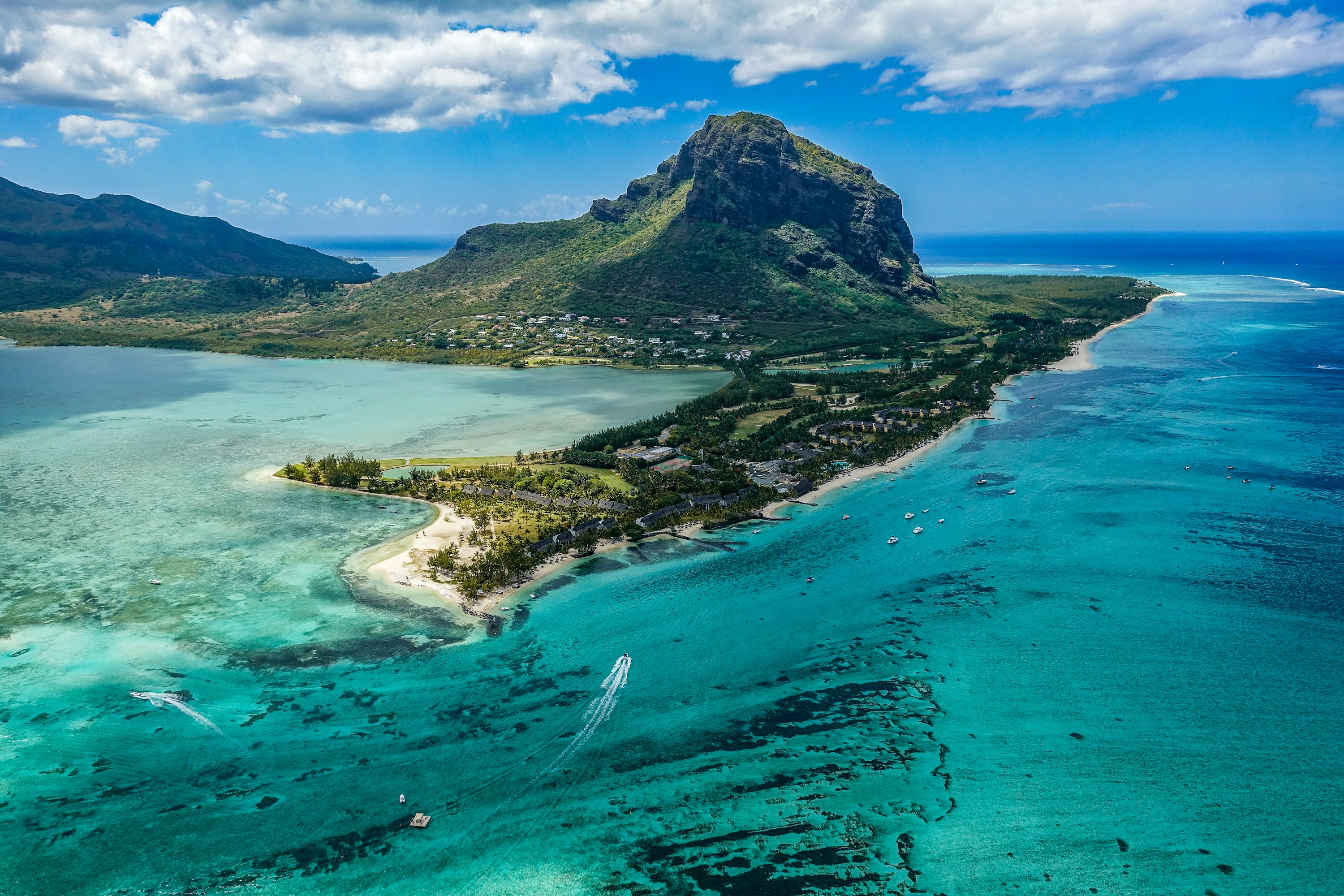

Moving to Mauritius: 2026 guide for British citizens
For British citizens, Mauritius can be one of the most natural tropical expatriation projects outside Europe: English is official, the legal routes are relatively readable and the island has long had a strong international and Commonwealth-facing profile.
before
- Choose the right residence framework
- Budget for housing, healthcare and mobility
- Take the 183-day threshold seriously
Mauritius often feels easier for Britons than many tropical destinations because of language, legal readability and lifestyle fit. In 2026, however, the move still needs to be designed around the correct route: Premium Visa for a long stay without local work, Occupation Permit for active professional pathways, or retirement/investment routes where appropriate. The island’s comfort can easily hide the need for serious tax, health and housing planning.
Stay, permits and relocation setup
For British citizens, Mauritius has a clearer feel than many distant islands, but that does not mean one route fits all. Premium Visa is useful for long stays, yet a deeper expatriation may call for a more committed permit type.
Budget for moving to Mauritius
- Decent apartment
- Basic transport
- Controlled daily life
- Good air-conditioned housing
- Car, private care, more margin
- Durable expat life
- Villa or premium residence
- Services, leisure and higher comfort
Relocating to Mauritius costs more than many new arrivals expect. The island can still be very attractive, but the budget must include better housing, transport, private healthcare, services, the possible need for international schooling and the cost of correcting a bad location choice.
Internet, admin and practical life
Mauritius can work well on internet and day-to-day digital basics in the right areas, but the broader expat question is not just speed: it is neighborhood quality, local services, transport time, healthcare access and whether the island can actually support your daily life year-round.
Average speed: 40 Mbps
Tax, residence and income structure
Income brackets, contributions, deductions
Residency, treaties, exit tax
Compare your tax across countries
Real estate, investments, residency
Tax residency: generally you are taxed in the country where you spend more than 183 days per year. Double tax treaties avoid being taxed twice.
The tax question becomes central when a stay turns into a base. Mauritius is appealing, but the 183-day issue and long-term reporting logic must be built into the project.
Key steps to make the move work
Before moving
- Define the real project: trial stay, Premium Visa, work, retirement or investment
- Assess tax, health and a full annual budget
- Choose the right area based on daily life, not postcard appeal
On arrival
- Test housing, internet and actual travel times
- Set up banking, healthcare and practical life
- Check whether the chosen area works year-round
After settling
- Reassess potential tax residence
- Confirm the chosen permit still fits
Advantages and watchpoints
Advantages
- Attractive tropical climate
- Clear residence frameworks
- French and English are useful daily
- Potentially high quality of life
- Premium environment in good areas
Challenges
- Cost of living can rise quickly
- It is an island, not a large metropolis
- Healthcare and housing need careful choice
- Tax after 183 days
- A car is often useful
Often yes in daily usability, but the legal and tax side still needs structure.