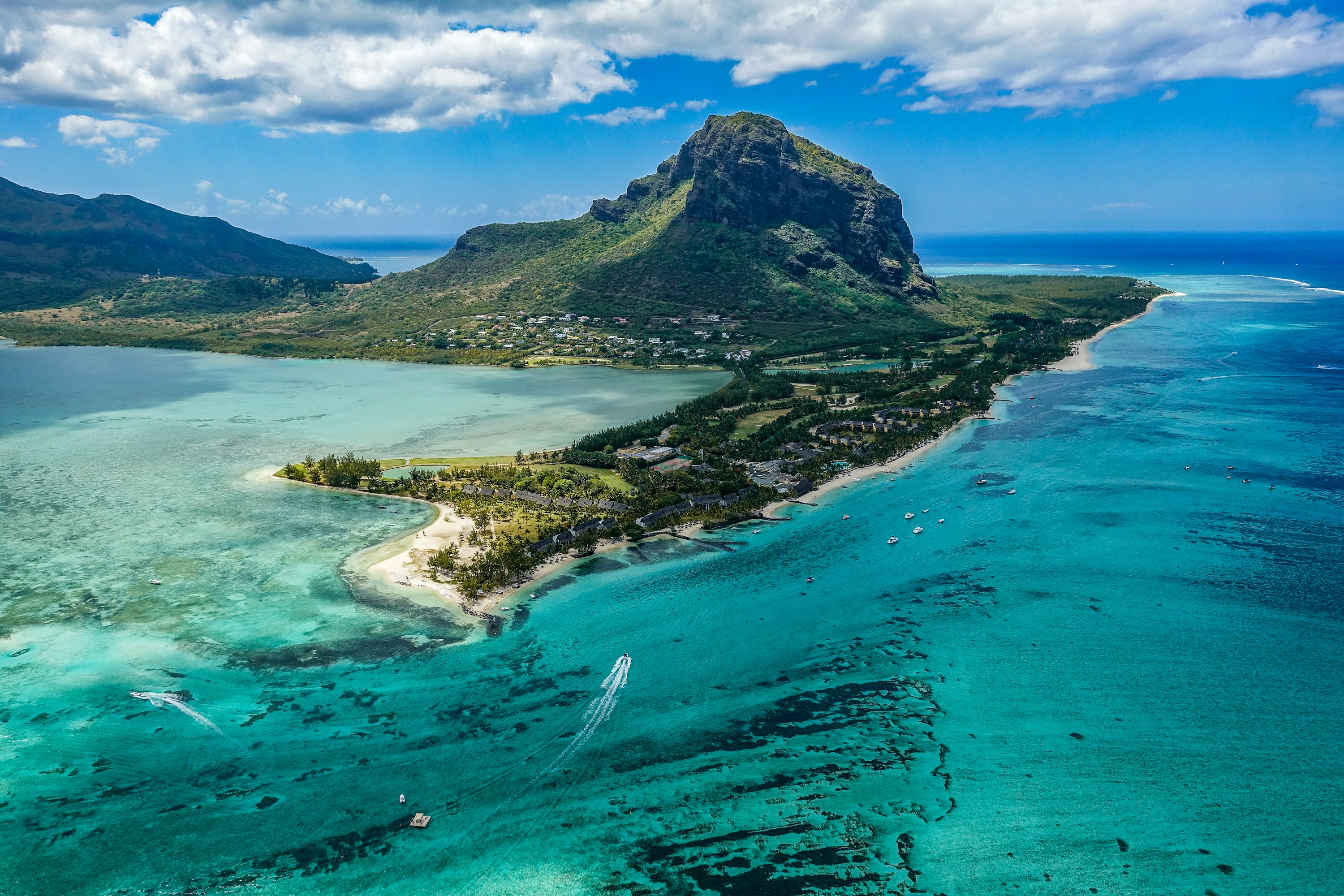

Retire in Mauritius: 2026 guide for Americans
For Americans, Mauritius can look like a dream retirement island, but in practice it is a long-distance residency project built around the Retired Non-Citizen permit, private healthcare, tax planning and the realities of island life.
Before departure
- Check retired non-citizen permit eligibility
- Build a full retirement budget
- Prepare private healthcare planning
During stay
- Track Mauritian tax residence
- Judge Mauritius as a real year-round home
Mauritius can be very attractive to Americans who want a warmer, slower and more premium retirement environment outside the U.S. But in 2026, the real retirement question is not just lifestyle. It is whether the Retired Non-Citizen Residence Permit fits the plan, whether the required financial transfers are sustainable, how private healthcare will work, and how ongoing U.S. obligations interact with Mauritian tax residence if the move becomes long term.
Visa & requirements
- Age 50 or above
- Valid passport
- Evidence of the required financial transfers
- Real accommodation plan in Mauritius
- No incompatible local work activity
For a foreign retiree, Mauritius is not a casual long-stay destination if the intention is to live there properly. The relevant framework is the Residence Permit for Retired Non-Citizens, aimed at applicants aged 50 or above. The key point is not only age, but also the ability to evidence the required inflows, maintain a real base in Mauritius and avoid relying on local work activity.
Retirement budget
- Simple apartment or small house
- Reasonably disciplined day-to-day spending
- Car or occasional taxis
- Private healthcare budget still needed
- Good housing in a pleasant area
- More room for healthcare, transport and leisure
- More comfortable day-to-day pace
- Family travel easier to absorb
- Premium coastal location or higher-end residence
- More support services
- More flexible transport and lifestyle
- Higher comfort overall
What does retirement in Mauritius really cost?
Mauritius can deliver a very high-quality retirement experience, but it is rarely a “cheap island retirement” once you include comfortable housing, transport, private healthcare, insurance, periodic long-haul travel and the practical costs of daily island living. The right comparison is not with a holiday package but with the true annual cost of living there full time.
Internet & connectivity
Healthcare, climate and everyday island life
Retirement in Mauritius should be judged through healthcare, climate comfort, transport, humidity, cyclone season, distance from family and the reality of living on an island all year. Good connectivity helps, but the decisive question is whether the daily environment still works once the holiday feeling is gone.
Average speed: 40 Mbps




Taxation & obligations
Income brackets, contributions, deductions
Residency, treaties, exit tax
Compare your tax across countries
Real estate, investments, residency
Tax residency: generally you are taxed in the country where you spend more than 183 days per year. Double tax treaties avoid being taxed twice.
Mauritian tax residence becomes very relevant once the stay becomes durable. An individual is treated as resident under official Mauritian tax rules if the relevant day-count or cumulative presence criteria are met. For retirees, this means the move should be designed with tax residence in mind from the beginning, not only around the permit itself.
Steps to settle in Mauritius
Before moving
- Check eligibility for the retired non-citizen permit
- Model the full annual cost of island retirement
- Choose a realistic area rather than a postcard fantasy
- Plan healthcare and tax residence early
- Prepare the required transfer evidence
On arrival
- Stabilise accommodation and practical life
- Test the island outside a hotel mindset
- Organise banking, transport and healthcare
- Assess heat, humidity and everyday movement
After settling
- Track tax residence carefully
- Reassess whether the chosen area still works
- Measure the real annual cost of life
- Check whether distance from home remains manageable
Advantages & challenges
Advantages
- Clear retiree residence framework
- Warm climate and island lifestyle
- Potential for premium quality of life
- Multilingual environment
Challenges
- Private healthcare remains important
- Island logistics and distance matter
- Tax residence must be planned
- Resort appeal can hide real-life frictions
Yes, but the move should be built around the retired non-citizen permit, healthcare planning and the tax reality of living abroad long term.
Distance, private healthcare and the fact that U.S. tax obligations may continue even after moving abroad.